
Taking Camp Meeting Home
Taking Camp Meeting Home
By: Tim Hill
The greatest part of Camp Meeting may begin on the drive home.
Every Camp Meeting eventually comes to an end.
The final sermon is preached. The last song is sung. Friends embrace one another, promise to stay in touch, and begin the journey home.
Many people assume that means the spiritual momentum has to end as well.
I don’t believe it does.
In fact, I believe the greatest influence of Camp Meeting often begins after we leave.
If you grew up attending Camp Meetings, you probably know the feeling.
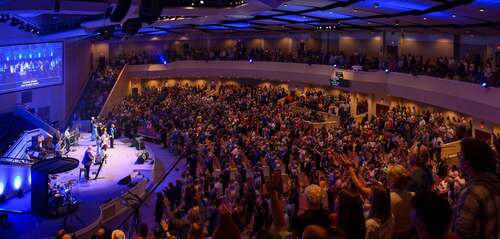
For one week each year, life seems to slow down and speed up at the same time. Old friends reappear. New friendships are formed. The singing seems a little stronger. The fellowship seems a little sweeter. The preaching carries a sense of expectancy. The altars fill. Missionaries tell stories. Young ministers dream. Older saints remember.
Back in the day, the Camp Meeting choir was open to anyone who wanted to sing. You didn’t have to audition. You simply showed up. Many arrived as much as two hours early to rehearse. There was something beautiful about hundreds of voices blending together—not because they were professionals, but because they shared a common faith and purpose.
Children ran the grounds while parents visited. Ministers renewed friendships in hallways and around dinner tables. Testimonies were exchanged. Lifelong memories were quietly being made.
Then suddenly, it’s over.
The final amen is prayed.
The last handshake is exchanged.
The parking lot empties.
The lights go out.
And somewhere between Saturday morning and Monday afternoon, many people experience what I call the Camp Meeting “come down.”
Peter didn’t want to leave either.
Perhaps that’s why Peter’s response on the Mount of Transfiguration feels so familiar.
After witnessing the glory of Christ alongside Moses and Elijah, Peter blurted out, “Lord, it is good for us to be here.” Then he suggested building three tabernacles.
In today’s language, he was saying, “Let’s stay right here.”
Most Camp Meeting people understand that instinct.
Who hasn’t wished for one more song, one more testimony, one more altar service, or one more conversation with an old friend?
Peter didn’t want to leave either. He simply wanted to preserve the moment.
But Jesus led him down the mountain—not because the mountain wasn’t important, but because there was ministry waiting in the valley.
Jesus wasn’t taking Peter away from the blessing. He was teaching him how to carry the blessing into the valley.
Camp Meeting still serves that purpose today.
Why We Feel It
Part of it is physical.
After a week of services, fellowship, late nights, and constant activity, the adrenaline finally wears off. Sometimes what feels like spiritual discouragement is simply exhaustion catching up with us.
Part of it is emotional.
Camp Meeting reconnects us with people who helped shape our lives and ministries. Then, almost overnight, everyone heads home. We miss the fellowship more than we realize.
Part of it is anticipation.
For months we’ve looked forward to this week. When something we’ve anticipated for so long suddenly ends, it’s natural to feel a sense of loss.
And part of it is the contrast.
For several days we’ve been immersed in worship, prayer, preaching, and fellowship. Then Monday morning brings emails, meetings, hospital visits, family responsibilities, and everyday routines. The change can feel abrupt.
Carrying Camp Meeting Home
The healthiest response isn’t wishing the week had lasted longer.
It’s taking Camp Meeting home.
Rest if you’re tired.
Reflect on what God said.
Stay connected with the friends who encouraged you.
Above all, live what you learned.
The blessing of Camp Meeting was never meant to remain inside a campground, convention hall, or sanctuary. It was meant to follow us home—to our families, our churches, our communities, and our everyday lives.
Camp Meeting isn’t the finish line of our year.
It’s the refueling station for the road ahead.
For several years now, I’ve occasionally heard Camp Meeting dismissed as an outdated tradition or a needless relic from another era. Some say there’s too much of this or too little of that. Others question whether these gatherings are still necessary.
I understand the conversation, but I respectfully disagree.
Camp Meeting doesn’t become meaningful simply because it appears on a calendar. It becomes meaningful when God’s people prepare, pray, and keep its focus on worship, evangelism, fellowship, and the faithful preaching of God’s Word. When those priorities remain at the center, Camp Meeting continues to be one of the Church’s greatest blessings.
The Real Measure of Camp Meeting
I’ve attended Camp Meetings for most of my life.
I’ve heard unforgettable preaching, powerful singing, and testimonies that still encourage me decades later.
But the real measure of Camp Meeting has never been what happened during the week.
It’s what remains after the week is over.
Do we love Jesus more?
Do we pray more faithfully?
Do we serve more willingly?
Do we return home with renewed vision?
Peter wanted to build three tabernacles and stay on the mountain.
Jesus gently led him back down because ministry was waiting in the valley.
The choir sings its final song.
The last handshake is exchanged.
The parking lot empties.
The lights go out.
God’s work doesn’t.
Perhaps that’s how we take Camp Meeting home.
Not in our luggage.
Not in our photographs.
But in renewed faith, deeper friendships, greater love for God’s people, and a fresh commitment to serve Him.
That’s how Camp Meeting lives on long after the lights go out.
Every Camp Meeting eventually comes to an end.
The final sermon is preached. The last song is sung. Friends embrace one another, promise to stay in touch, and begin the journey home.
Many people assume that means the spiritual momentum has to end as well.
I don’t believe it does.
In fact, I believe the greatest influence of Camp Meeting often begins after we leave.
If you grew up attending Camp Meetings, you probably know the feeling.
For one week each year, life seems to slow down and speed up at the same time. Old friends reappear. New friendships are formed. The singing seems a little stronger. The fellowship seems a little sweeter. The preaching carries a sense of expectancy. The altars fill. Missionaries tell stories. Young ministers dream. Older saints remember.
Back in the day, the Camp Meeting choir was open to anyone who wanted to sing. You didn’t have to audition. You simply showed up. Many arrived as much as two hours early to rehearse. There was something beautiful about hundreds of voices blending together—not because they were professionals, but because they shared a common faith and purpose.
Children ran the grounds while parents visited. Ministers renewed friendships in hallways and around dinner tables. Testimonies were exchanged. Lifelong memories were quietly being made.
Then suddenly, it’s over.
The final amen is prayed.
The last handshake is exchanged.
The parking lot empties.
The lights go out.
And somewhere between Saturday morning and Monday afternoon, many people experience what I call the Camp Meeting “come down.”
Peter didn’t want to leave either.
Perhaps that’s why Peter’s response on the Mount of Transfiguration feels so familiar.
After witnessing the glory of Christ alongside Moses and Elijah, Peter blurted out, “Lord, it is good for us to be here.” Then he suggested building three tabernacles.
In today’s language, he was saying, “Let’s stay right here.”
Most Camp Meeting people understand that instinct.
Who hasn’t wished for one more song, one more testimony, one more altar service, or one more conversation with an old friend?
Peter didn’t want to leave either. He simply wanted to preserve the moment.
But Jesus led him down the mountain—not because the mountain wasn’t important, but because there was ministry waiting in the valley.
Jesus wasn’t taking Peter away from the blessing. He was teaching him how to carry the blessing into the valley.
Camp Meeting still serves that purpose today.
Why We Feel It
Part of it is physical.
After a week of services, fellowship, late nights, and constant activity, the adrenaline finally wears off. Sometimes what feels like spiritual discouragement is simply exhaustion catching up with us.
Part of it is emotional.
Camp Meeting reconnects us with people who helped shape our lives and ministries. Then, almost overnight, everyone heads home. We miss the fellowship more than we realize.
Part of it is anticipation.
For months we’ve looked forward to this week. When something we’ve anticipated for so long suddenly ends, it’s natural to feel a sense of loss.
And part of it is the contrast.
For several days we’ve been immersed in worship, prayer, preaching, and fellowship. Then Monday morning brings emails, meetings, hospital visits, family responsibilities, and everyday routines. The change can feel abrupt.
Carrying Camp Meeting Home
The healthiest response isn’t wishing the week had lasted longer.
It’s taking Camp Meeting home.
Rest if you’re tired.
Reflect on what God said.
Stay connected with the friends who encouraged you.
Above all, live what you learned.
The blessing of Camp Meeting was never meant to remain inside a campground, convention hall, or sanctuary. It was meant to follow us home—to our families, our churches, our communities, and our everyday lives.
Camp Meeting isn’t the finish line of our year.
It’s the refueling station for the road ahead.
For several years now, I’ve occasionally heard Camp Meeting dismissed as an outdated tradition or a needless relic from another era. Some say there’s too much of this or too little of that. Others question whether these gatherings are still necessary.
I understand the conversation, but I respectfully disagree.
Camp Meeting doesn’t become meaningful simply because it appears on a calendar. It becomes meaningful when God’s people prepare, pray, and keep its focus on worship, evangelism, fellowship, and the faithful preaching of God’s Word. When those priorities remain at the center, Camp Meeting continues to be one of the Church’s greatest blessings.
The Real Measure of Camp Meeting
I’ve attended Camp Meetings for most of my life.
I’ve heard unforgettable preaching, powerful singing, and testimonies that still encourage me decades later.
But the real measure of Camp Meeting has never been what happened during the week.
It’s what remains after the week is over.
Do we love Jesus more?
Do we pray more faithfully?
Do we serve more willingly?
Do we return home with renewed vision?
Peter wanted to build three tabernacles and stay on the mountain.
Jesus gently led him back down because ministry was waiting in the valley.
The choir sings its final song.
The last handshake is exchanged.
The parking lot empties.
The lights go out.
God’s work doesn’t.
Perhaps that’s how we take Camp Meeting home.
Not in our luggage.
Not in our photographs.
But in renewed faith, deeper friendships, greater love for God’s people, and a fresh commitment to serve Him.
That’s how Camp Meeting lives on long after the lights go out.
Recent
Archive
Categories
no categories
No Comments